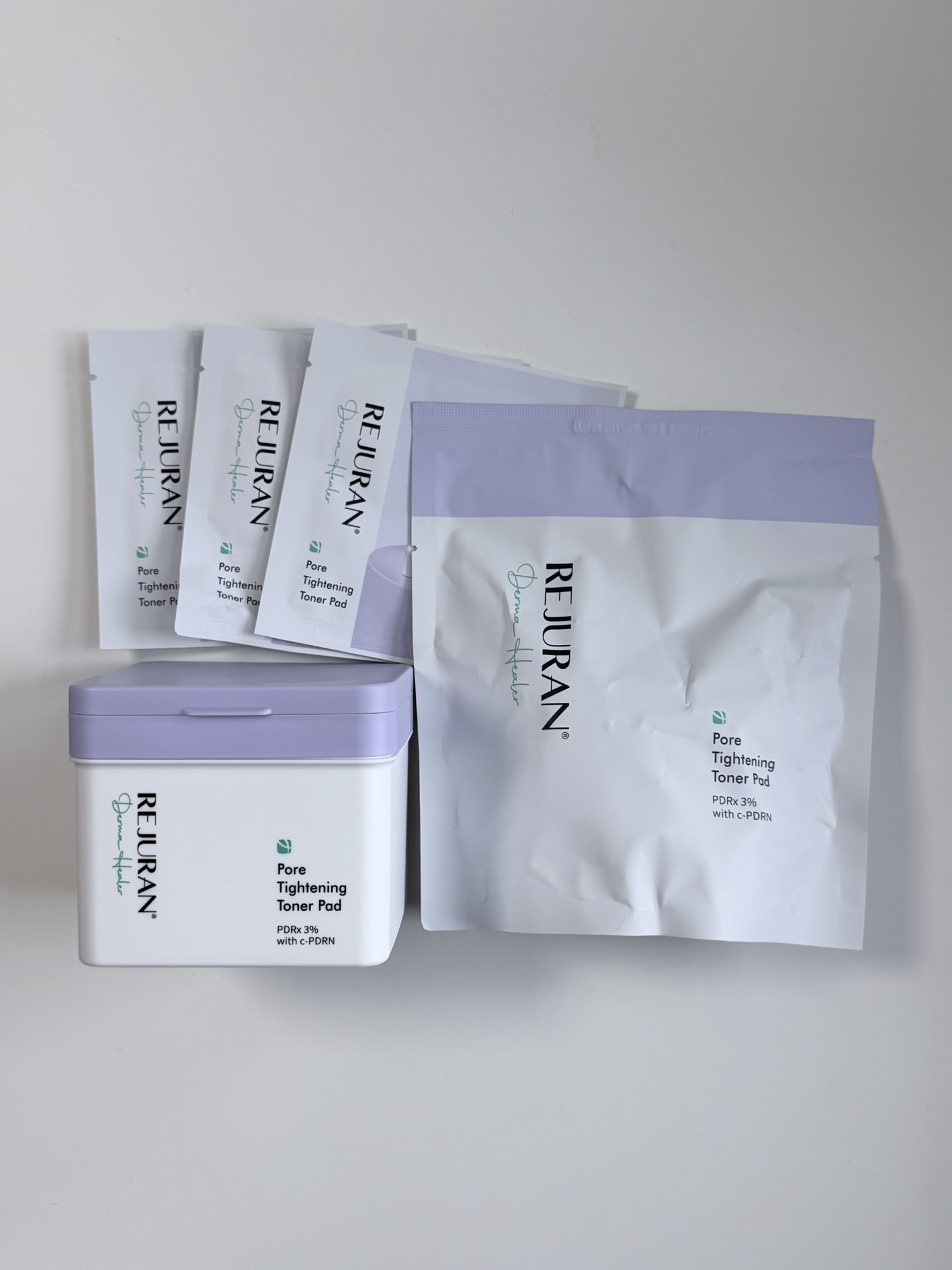
The Rejuran Pore Tightening Toner Pad (리쥬란 포어 타이트닝 토너 패드) has been everywhere in Korean K-beauty conversations for the last few months — c-PDRN, the cosmetic-grade cousin of the salmon DNA ingredient behind those popular skin-booster injections, reformulated into a soak-the-essence-in toner pad.
Honestly, the reason I picked this up is that I’ve been using another PDRN product for a few weeks now — the Medicube PDRN Pink Serum — and I’ve been quietly impressed enough to want to try more PDRN. When I saw Rejuran’s toner pad version on the Olive Young sale shelf, it felt like the natural next thing. Here’s what I noticed across the first couple of weeks, plus one specific way I started using them that turned out to matter more than the standard routine.
Heads up: this post contains an Amazon affiliate link. As an Amazon Associate I earn from qualifying purchases — at no extra cost to you.
The Olive Young Sale Math (and Why You Want 126, Not 60)
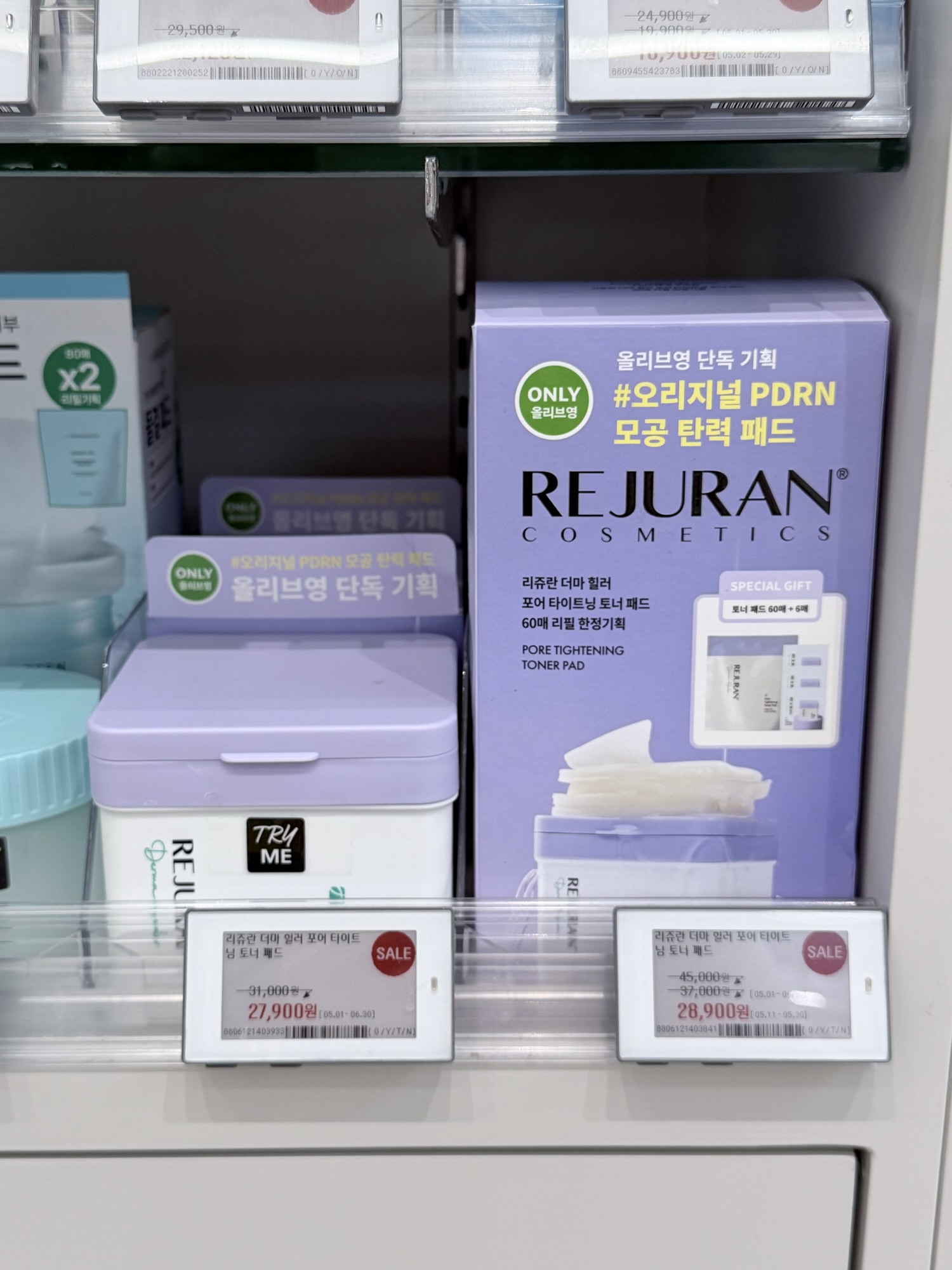
The 60-pad container is ₩27,900 (~$20), and the 126-pad set — a 60-pad container plus a 60-pad refill pouch plus three 2-pack travel sachets — is ₩28,900 (~$21). Per-pad price drops sharply on the bigger set, so that’s the one I bought. Promotional pricing rotates, so the exact discount might be different by the time you read this — just check both options side by side at the shelf. If you’re outside Korea, it’s also available on Amazon US.
What’s Actually in the Pads
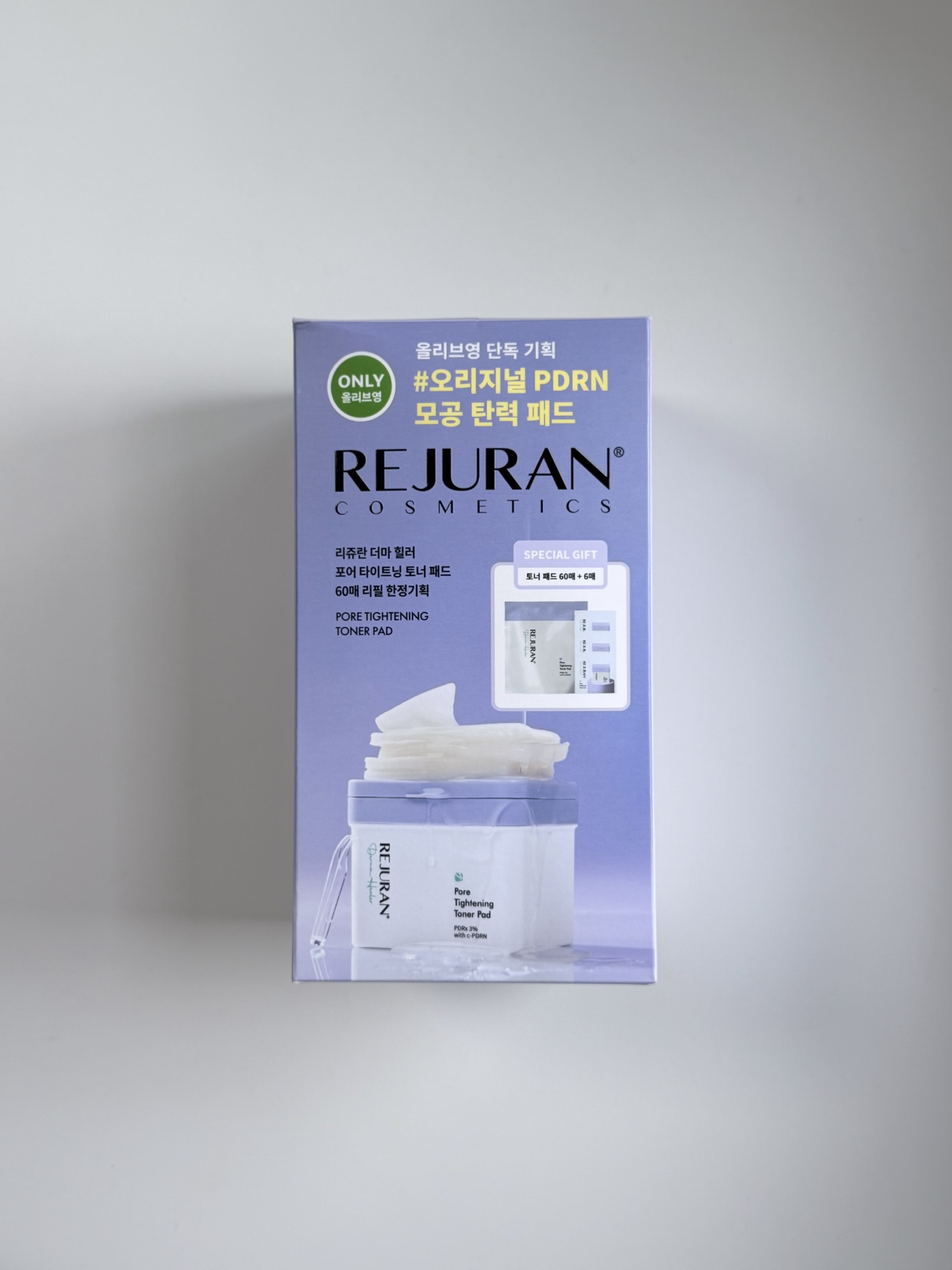
Rejuran is the cosmetic line from Pharma Research, the company behind those clinic PDRN injections you’ve probably heard about (under the same brand, used for “salmon DNA” skin-booster treatments). The toner pad is the brand’s attempt to translate that ingredient profile into a leave-on product you can use at home.
The headline is c-PDRN — Rejuran’s cosmetic-grade polynucleotide, derived from salmon DNA, formulated to penetrate skin more readily than the medical-grade version. Around it, the brand stacks: a Pore Clear Complex (BHA + PHA + AHA + LHA + beta-carotene + tocopherol) to clear sebum, plus Centella Asiatica, Niacinamide, Houttuynia Cordata Extract, Madecassoside, Hyaluronic Acid, Panthenol, Ceramide, Allantoin, Tea Tree, and Collagen. Two cooling agents — Virginia Clematis extract and Cooling Agent 23 — are added for the immediate cold feeling and to “relieve pore enlargement” (the brand’s framing).
In plain English: it’s a PDRN-led pore-care pad with a sheet-style essence delivery, leaning calming + hydrating rather than aggressively exfoliating. The acids are present but not the focus. The cica + niacinamide + ceramide stack is what makes it sit gently on sensitive skin.
The Packaging
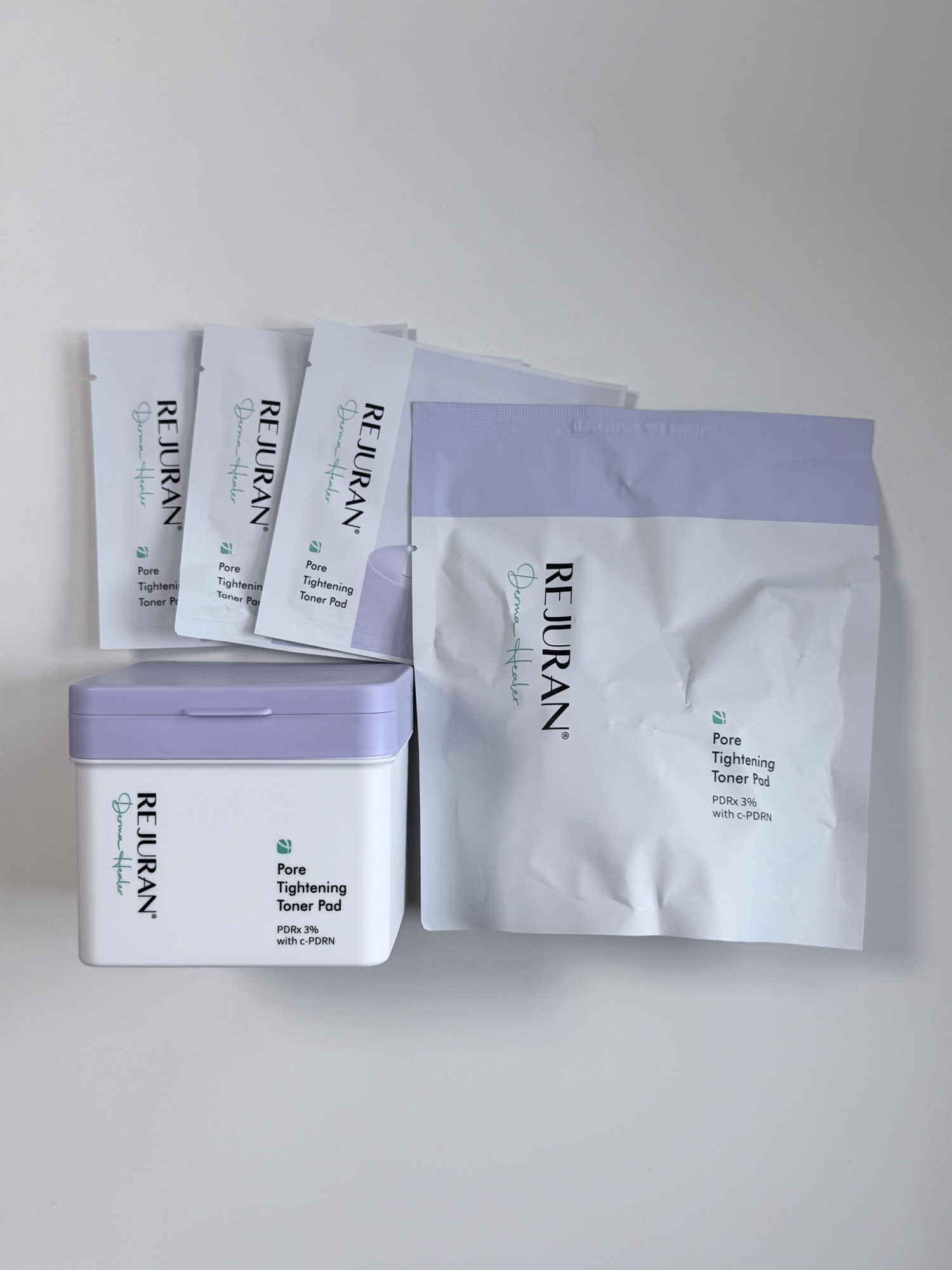
Here’s the 126-pad set unboxed: the main 60-pad container, a separate 60-pad refill pouch you transfer over once the first runs out, and three small 2-pack pouches — six pads total — clearly meant for travel.
I actually like the travel sachets more than I expected. Most full-size toner pad containers are too clunky for an overnight bag, so on trips you end up either skipping the pad step or buying a separate sample. These are just there, sealed, ready to grab on the way out.
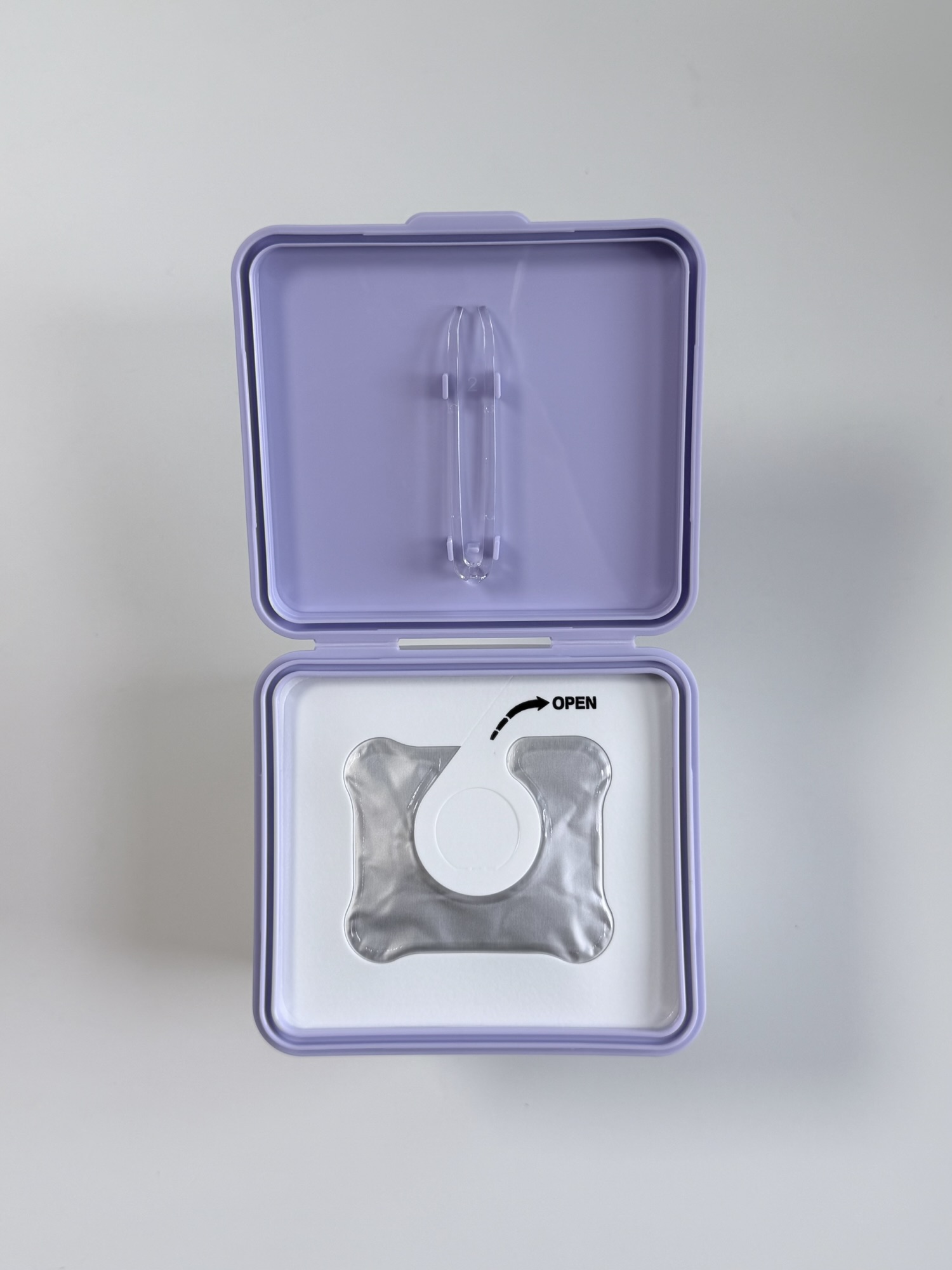
The main container is well-sealed when you open it — a proper foil layer over the pads to keep the essence from evaporating. There’s also a small pair of plastic tongs tucked in, which is honestly the unsexy detail that matters most. With essence-soaked pads, sticking your fingers in every time is annoying and slightly unhygienic. The tongs make it actually clean.
Not every toner pad brand includes tongs. The ones that do are the ones I keep using.
The Pad Itself
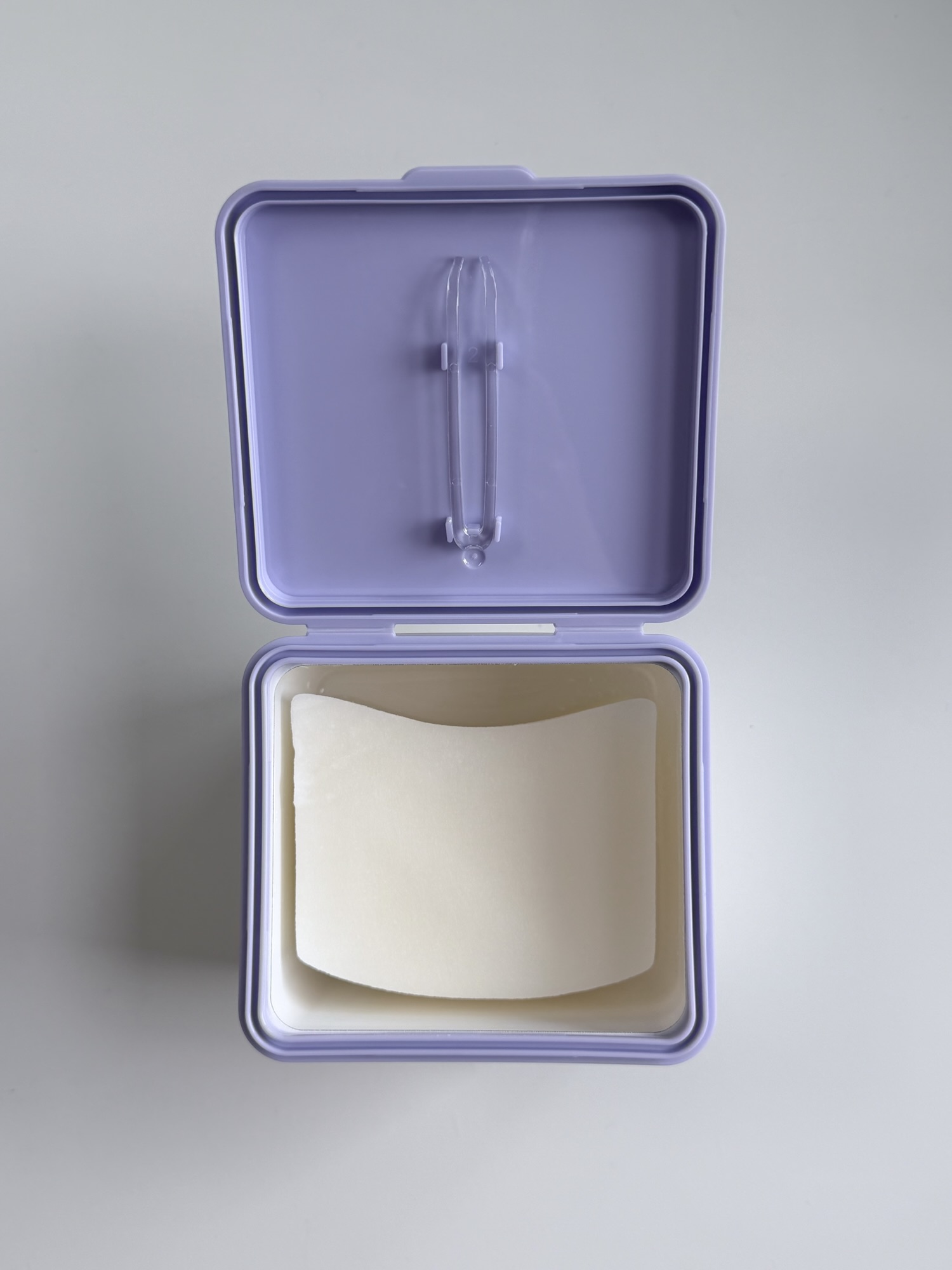
You can tell they thought about the pad shape. It’s not a flat circle — there’s a slight curve to it, so when you press it onto your face it conforms naturally to areas that aren’t flat (around the nose, the jawline). And when you’re holding it with your fingers to wipe or pat, that shape gives you something to grip. Easy to control, hard to drop.
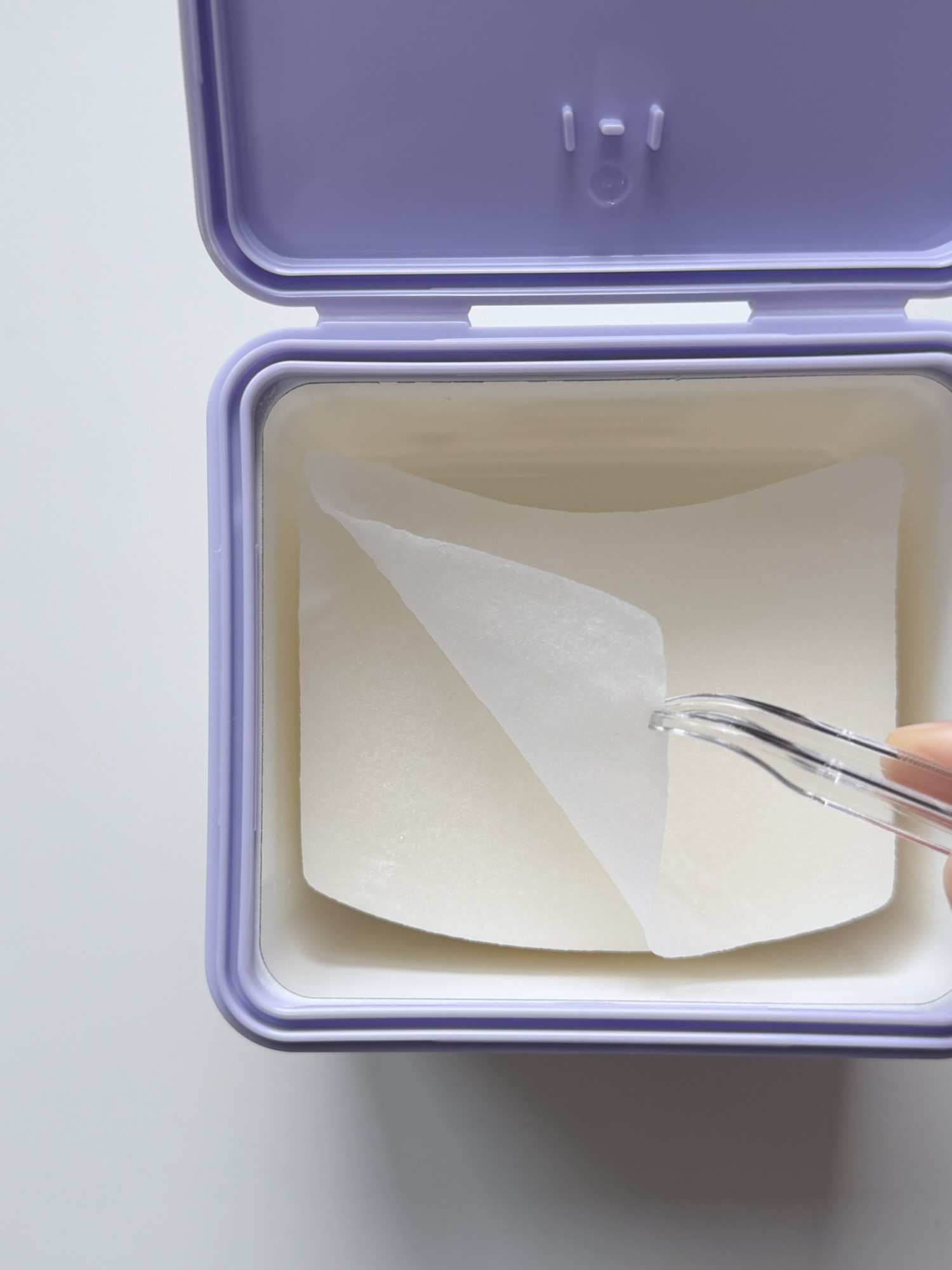
Thickness sits right in the middle — not too thin, not too thick. The pad itself is soft but has some bounce, so it doesn’t feel heavy on the face. Both sides are made of a soft material, so it doesn’t matter which side you use — neither catches on skin. On days when my skin is feeling reactive, I can use it without any scratchy feeling. That’s the part I appreciated most.
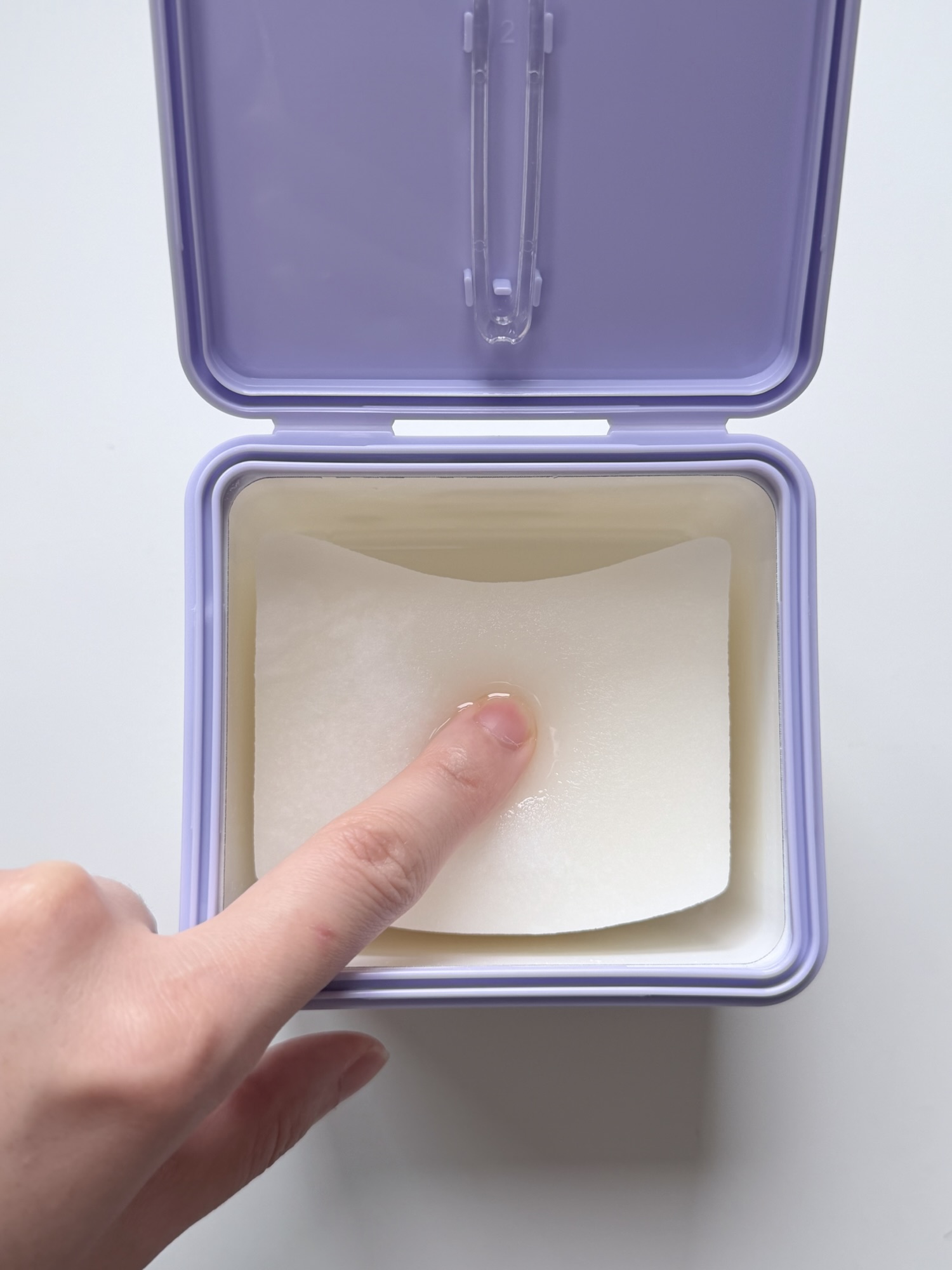
Press one even lightly with your fingers and essence wells up. The container is fully loaded — the pads are saturated, not just damp. The scent is subtle, slightly clean, nothing like a strong fragrance or an alcohol burn. If you have sensitive skin and have given up on toner pads because most of them have an aggressive smell or sting on first contact, this one doesn’t.
How It Actually Feels on Skin
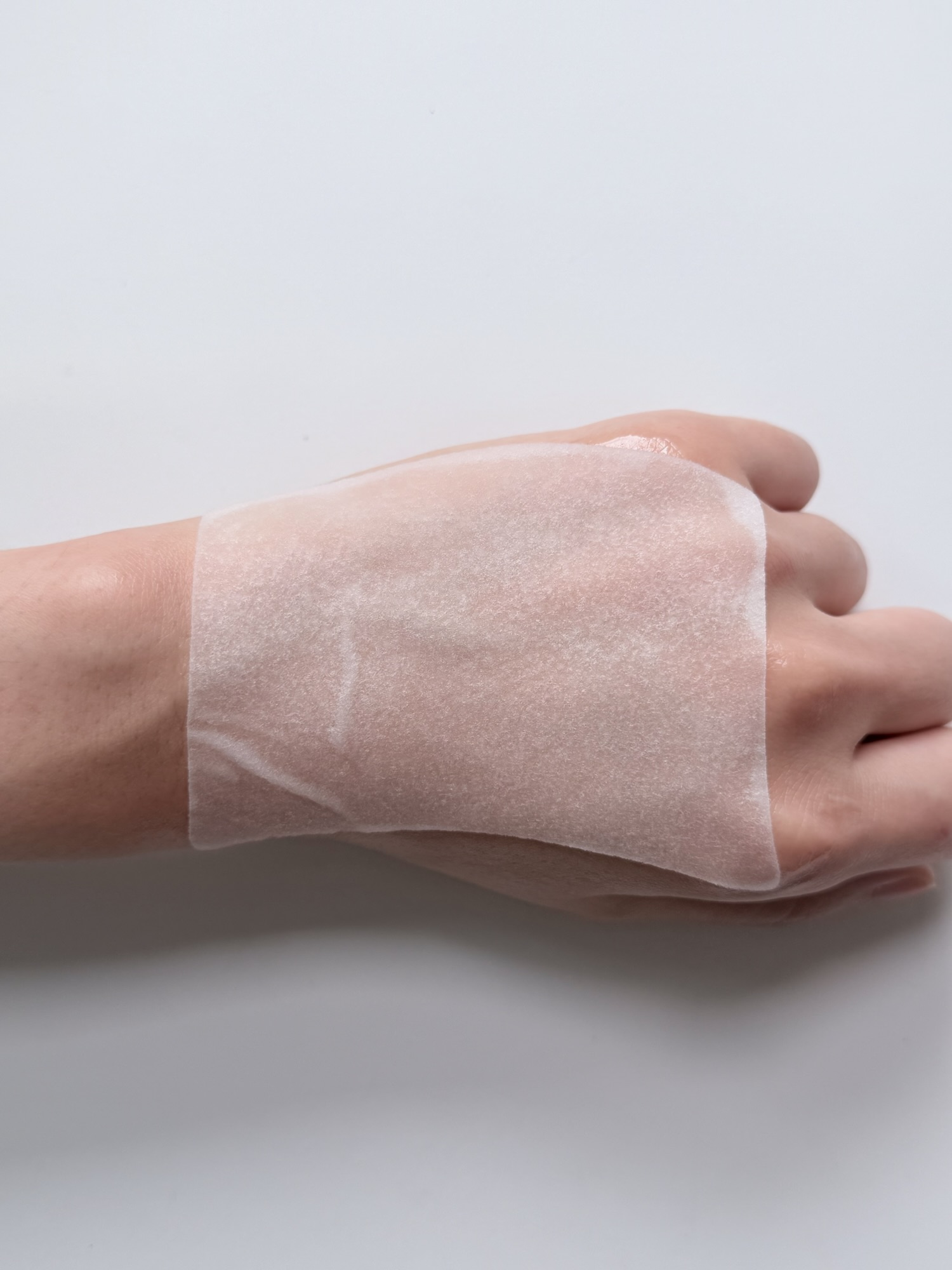
I did the obvious thing first and stuck one on the back of my hand to see how it sat. Two things I noticed.
First, the adhesion is genuinely good. The embossed side has enough grip that the pad stays in place — I left one on while drying my hair (long enough that I was actively moving the dryer around) and it didn’t slide off or curl at the edges. After I finished drying my hair, the pad was still wet — it hadn’t dried out the way thinner pads usually do.
Second, the cooling sensation hits immediately. That’s the Virginia Clematis + Cooling Agent 23 doing their thing. It’s not menthol-strong, more like a soft cold compress. After a long humid day, that part alone is worth a few minutes.
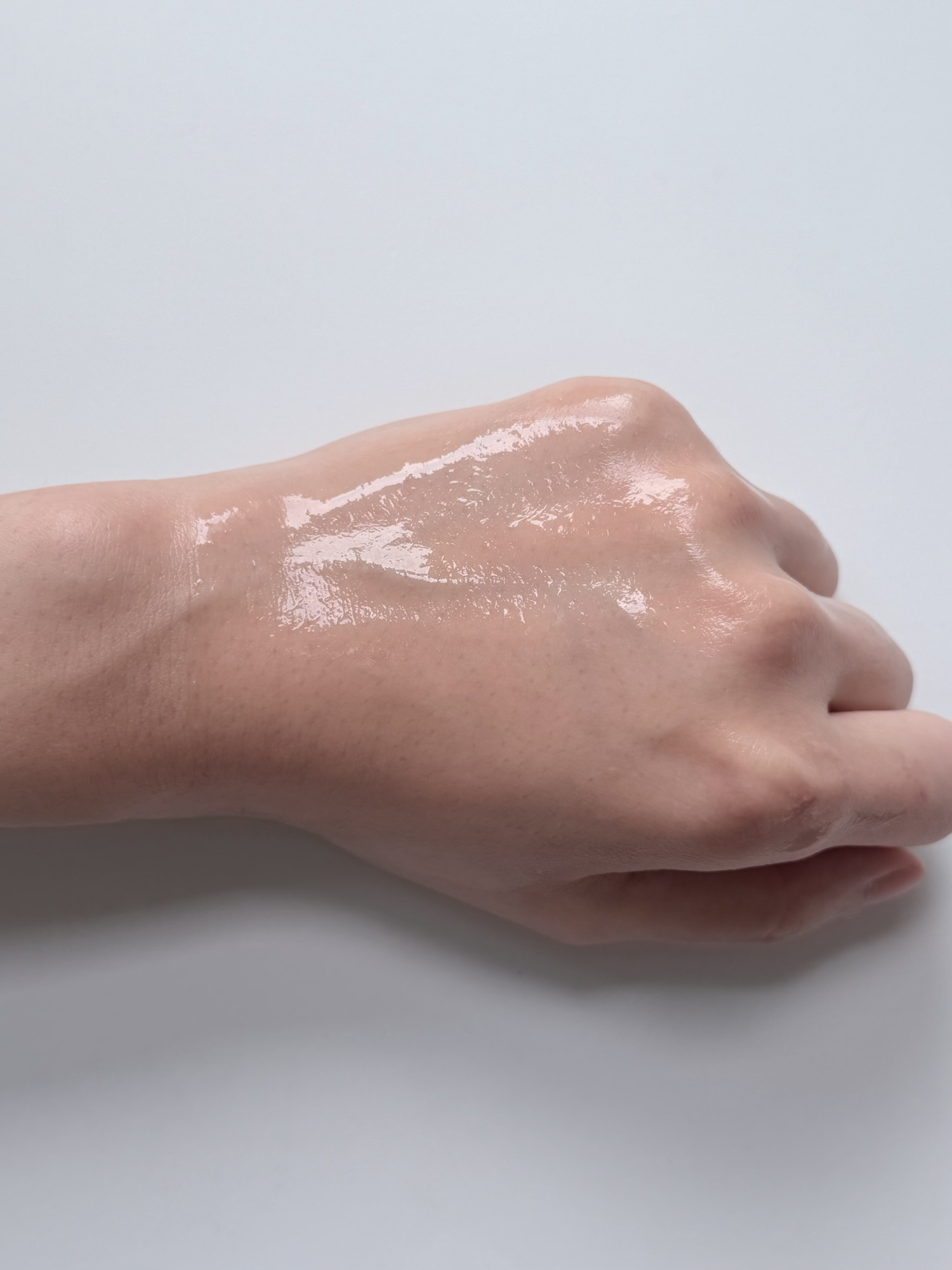
After taking the pad off, there’s a noticeable layer of essence still on the skin. I patted it in instead of rinsing, and it absorbed cleanly — no sticky film, no tackiness after a couple of minutes. Skin felt hydrated rather than coated.
The Bottom Line — and the Way I Actually Use These
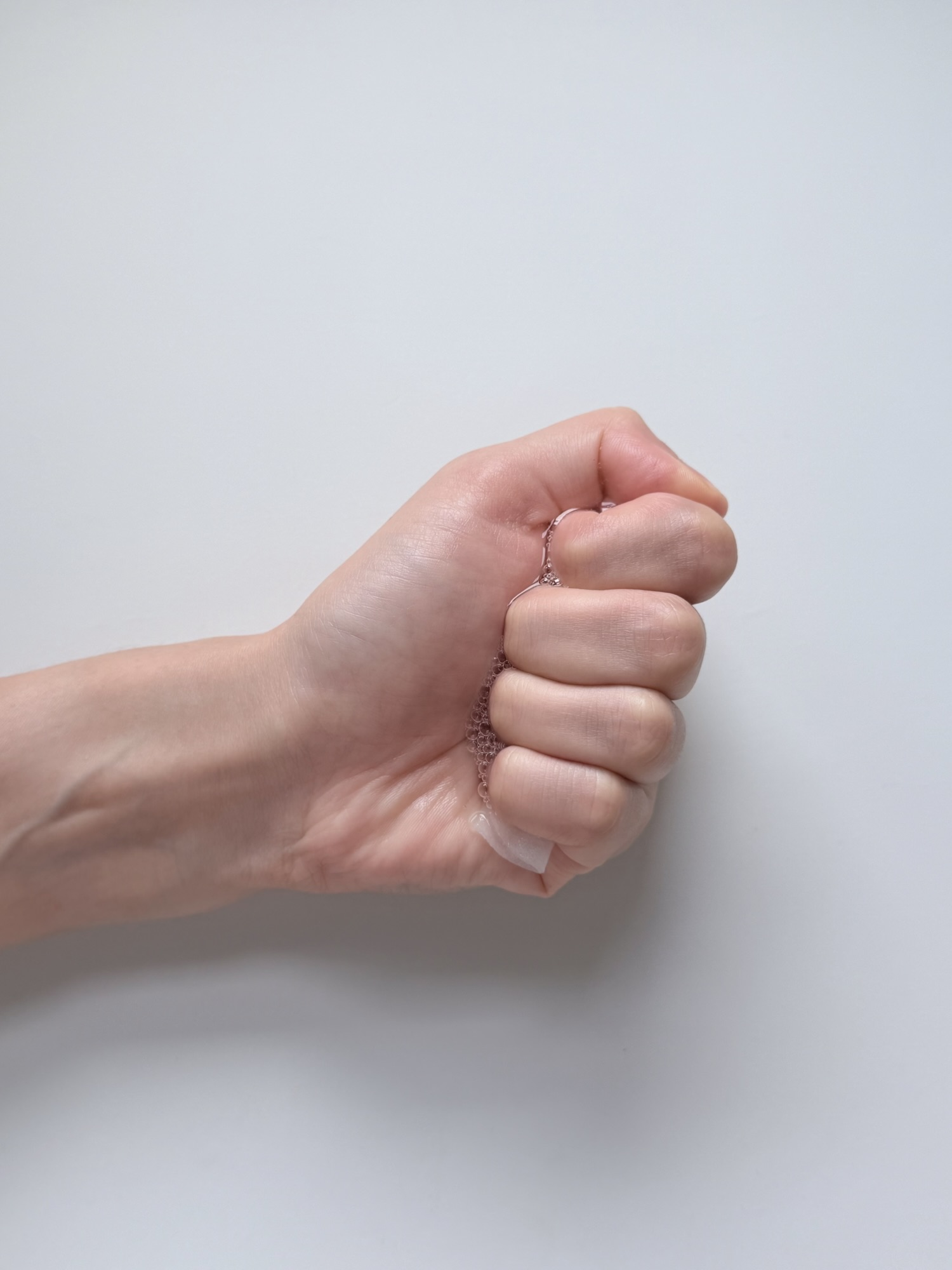
Squeeze just one pad lightly and essence spills out of it. That’s not a tagline thing — it’s literally what happens. There’s enough product in one pad to qualify as a toner serving on its own.
This changed how I use them. Most toner pads in Korea are framed as a wipe — sweep the pad across your face after cleansing, basically toner application in pad form. That works fine with this product, but feels like a waste of how much essence is packed in. What actually works better: peel off two or three pads, place them on the areas where you want concentrated pore care (mine: cheeks, nose, chin), leave them on for a few minutes — basically use them as a mini sheet mask — then pat the remaining essence in.
My favorite move: stick them on while I’m drying my hair in the morning. By the time my hair is dry, the pads are still wet, the cooling is done, and the skin underneath is hydrated. Foundation goes on noticeably smoother on those days.
A few weeks in, honest verdict: the pore “tightening” claim is harder to evaluate after only a few weeks — PDRN benefits build over time, so visible change there is a longer story. What I can say is that my skin texture feels smoother, mornings have one fewer step to think about, and I haven’t had a single irritation flare-up — which for a moderately active formula (those four acid types are doing something) is the bar I actually care about.
Sensitive-skin friendly, generous on essence, and the kind of product I’ll keep reaching for past these 126 pads.
| Brand | Rejuran (리쥬란) by Pharma Research |
| Product | Derma Healer Pore Tightening Toner Pad |
| Volume / Count | 220ml — 60 pads (single) or 126 pads (1+1 set) |
| Key actives | c-PDRN, Pore Clear Complex (BHA/PHA/AHA/LHA), Centella, Niacinamide, Hyaluronic Acid |
| Texture | Embossed pad, medium thickness, both sides soft |
| Scent | Subtle, no sting, sensitive-skin friendly |
| Best use | Toner pack (leave 2–3 on face for a few minutes), not wipe |
| Price at Olive Young | ₩27,900 / ~$20 (60p) or ₩28,900 / ~$21 (126p, 1+1 set) |
| Worth it | Yes — especially the 126-pad set |
Where to buy
- Olive Young (Korea) — ₩28,900 for the 126-pad 1+1 set (best per-pad price).
- Amazon US — same product available internationally. Buy on Amazon →
Curious about another PDRN product?
If you’re considering trying PDRN in a different format, I also reviewed the Medicube PDRN Pink Peptide Serum — a watery pink drop that goes between toner and moisturizer. Same star ingredient family, completely different texture and use case. Worth a look if you want a serum-style PDRN to layer with these toner pads.
As an Amazon Associate I earn from qualifying purchases. See Privacy Policy for details.
Prices reflect Olive Young promotional pricing as of May 2026 and rotate often. USD figures are approximate at ~₩1,370/USD.
Leave a Reply